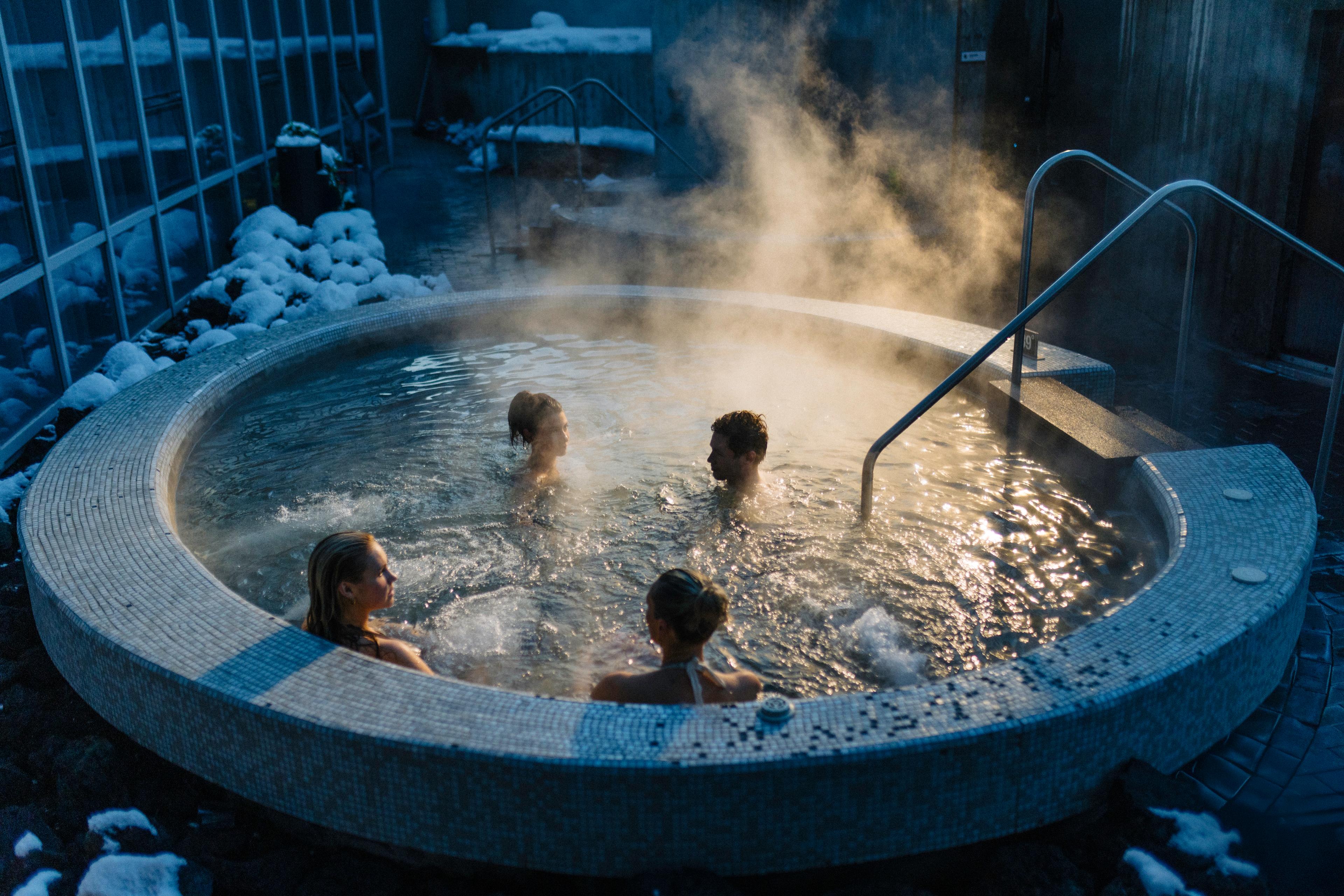
Hot water in the Heart of the City
Nearly a century since geothermal water from Laugardalur was first used to heat homes in Reykjavík
Reykjavík takes its name from steaming geothermal water, and throughout the city there are boreholes that have been used for space heating for decades. Laugardalur, the area where drilling is now taking place, is a productive low-temperature geothermal field that supplies thousands of Reykjavík residents with hot water for much of the year.
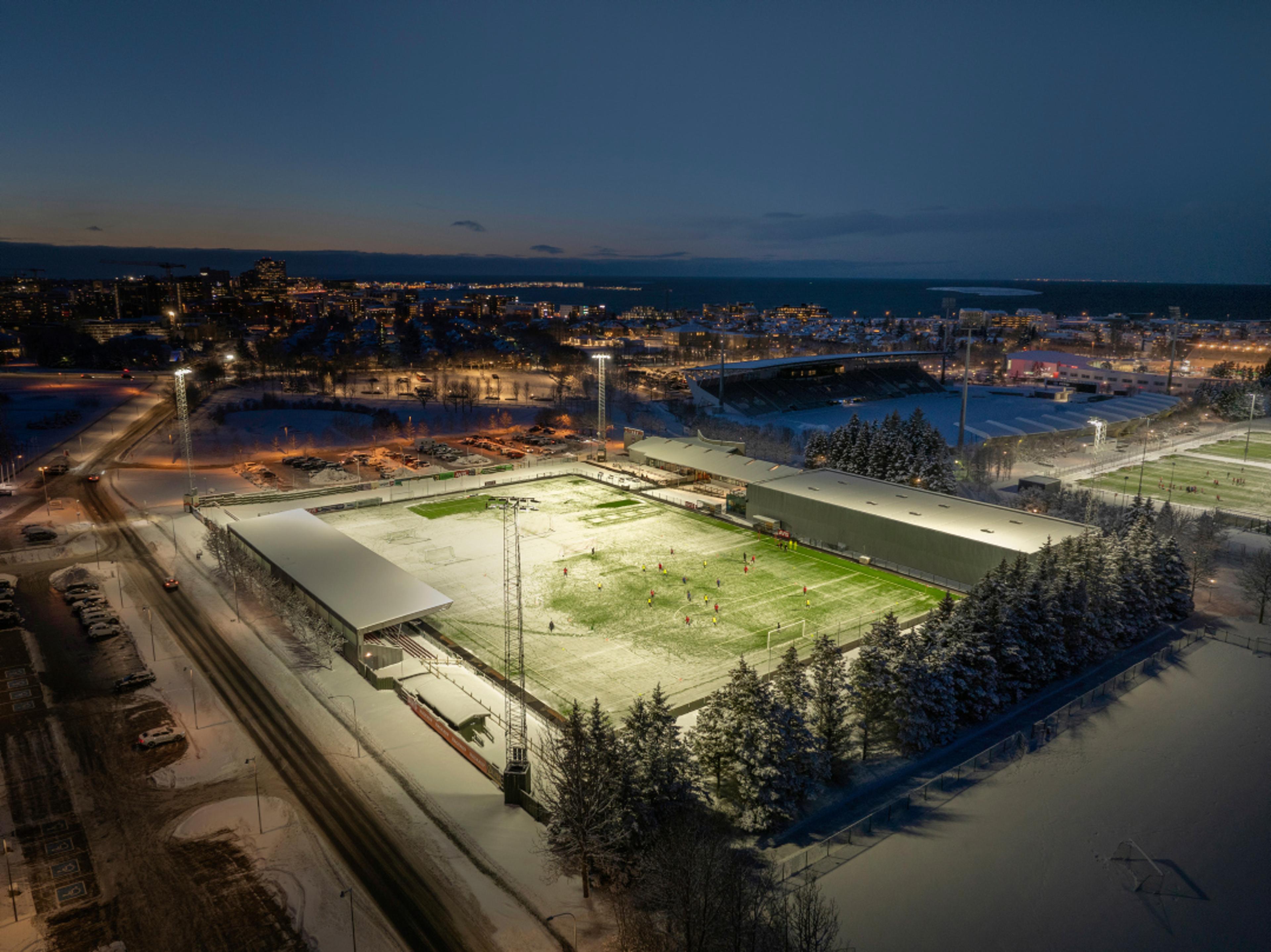
The first borehole in Laugardalur was also the first to be used for space heating in Reykjavík, in 1928, when water was piped from Þvottalaugar to Skólavörðuholt. Today, nine boreholes are in operation in Laugardalur, supplying 30% of Reykjavík west of the Elliðaár-rivers with hot water during winter.
The geothermal resource in Laugardalur can provide considerably more hot water than it does today. A growing community needs more hot water for house heating, and drilling at Engjateigur is part of making even better use of this valuable resource for the future.
The locations of the boreholes that are now to be drilled were selected in collaboration with resource specialists from Orkuveitan and experts from ÍSOR. North Tech Drilling will carry out the drilling.
Sustainable Use
Veitur allows the low-temperature geothermal fields to rest during the summer to ensure their sustainable use for the future. During summer, sufficient hot water for the capital area is supplied by the geothermal power plants at Hellisheiði and Nesjavellir.
The Energy in the Hot Water
The district heating system in the capital area transports many times more energy than the electricity distribution grid, up to six times as much. Laugardalur provides residents with 97 megawatts, equivalent to approximately half of the capital area’s peak electricity demand in 2025, excluding the aluminium smelter at Straumsvík.
A Few Facts
Bolholt
Estimated depth: 800- 1200 metres
Start of drilling: October 2026
Drill rig name: VON
Drilling company: North Tech Drilling
Type of drilling: Vertical
Engjateigur
Estimated depth: 1200–1500 metres
Start of drilling: October 2026
Drill rig name: RIG-16
Drilling company: North Tech Drilling
Type of drilling: One vertical borehole and three boreholes drilled at a 20° angle
Overview of Icelands use of renewable energy from Green by Iceland.
For more information on the drilling in the heart of the City and regular updates.